The Ultimate DIY Sofa Cleaning Guide
페이지 정보

본문
Maintaining a clean sofa is crucial for a hygienic and pleasant home atmosphere. Over time, sofas collect dust, dirt, spills, and odors, especially in households with children or pets. Professional cleaning is available, but effective results are achievable at home with the correct approach and materials. Learn everything about cleaning your sofa yourself, from determining upholstery type to eliminating difficult stains.
The initial stage of sofa cleaning involves checking the upholstery material. Inspect the manufacturer’s label, commonly placed under cushions or on the rear of the sofa. These codes guide window cleaning: W allows water solutions, S requires chemical solvents, WS accepts both, and X prohibits liquids entirely. Understanding the label code ensures you select the correct cleaning technique without harming the material.
Begin by taking off the cushions and vacuuming the whole sofa. Employ the fabric nozzle to reach tight spaces, stitching, and edges where dirt gathers. This step removes loose dirt and prepares the surface for deeper cleaning. When cushion covers are removable, check laundering instructions and wash accordingly.
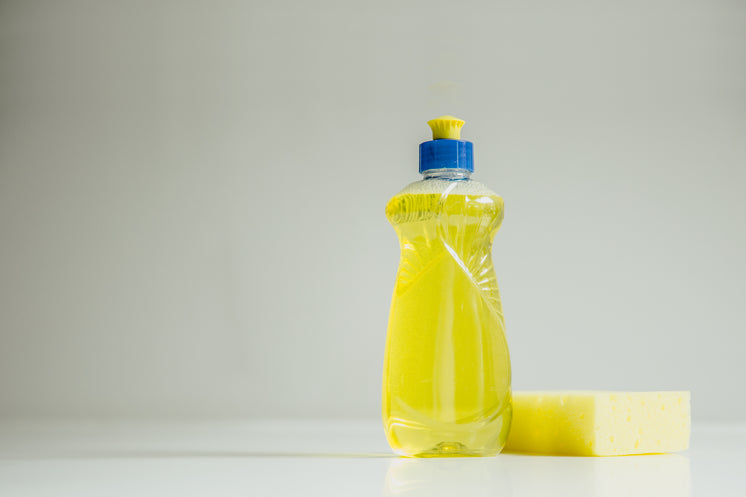
When dealing with water-safe upholstery (W or WS), mix one tbsp of gentle dish soap, ¼ cup white vinegar, and two cups of warm water. Combine the ingredients in a spray container and gently spray the mixture onto the surface. Never drench the material; keep it lightly moist. Use a soft brush or microfiber towel to gently clean small areas at a time. Blot stains from the outer edge inward to stop the spread.
For solvent-only fabrics (S), apply a dry cleaning fluid found at supermarkets or hardware shops. Perform a spot test to confirm the cleaner won’t fade or ruin the material. Apply with a clean cloth, following the product instructions, and allow the area to dry completely.
Address tough stains such as wine, coffee, or pet messes immediately. Immediately blot the spill with a dry, absorbent towel. Create a solution of peroxide, water, and dish soap for water-safe materials. Allow it to work for 5–10 minutes, then blot gently with a clean cloth. For organic stains like urine or sweat, enzyme formulas are ideal—they break down proteins and destroy lingering odors.
Drying the sofa correctly after cleaning is vital. Improve airflow by using fans or opening nearby windows. Blot remaining moisture with a clean, dry microfiber cloth. Do not use the sofa until it’s completely dry to avoid moisture transfer or mildew.
Regular upkeep includes weekly vacuuming and immediate attention to spills. Consider using throws or slipcovers to protect high-use areas. Rotating and flipping cushions over time ensures uniform use and appearance.
DIY sofa care is both budget-friendly and effective when done correctly. Ongoing care preserves your sofa’s appearance and enhances overall household cleanliness.
- 이전글Easy Ways to Eliminate Sticky Spots on Couch Upholstery 26.02.13
- 다음글Easy Ways to Clean Salt Residue from Couch Upholstery 26.02.13
댓글목록
등록된 댓글이 없습니다.